Watch Trailer
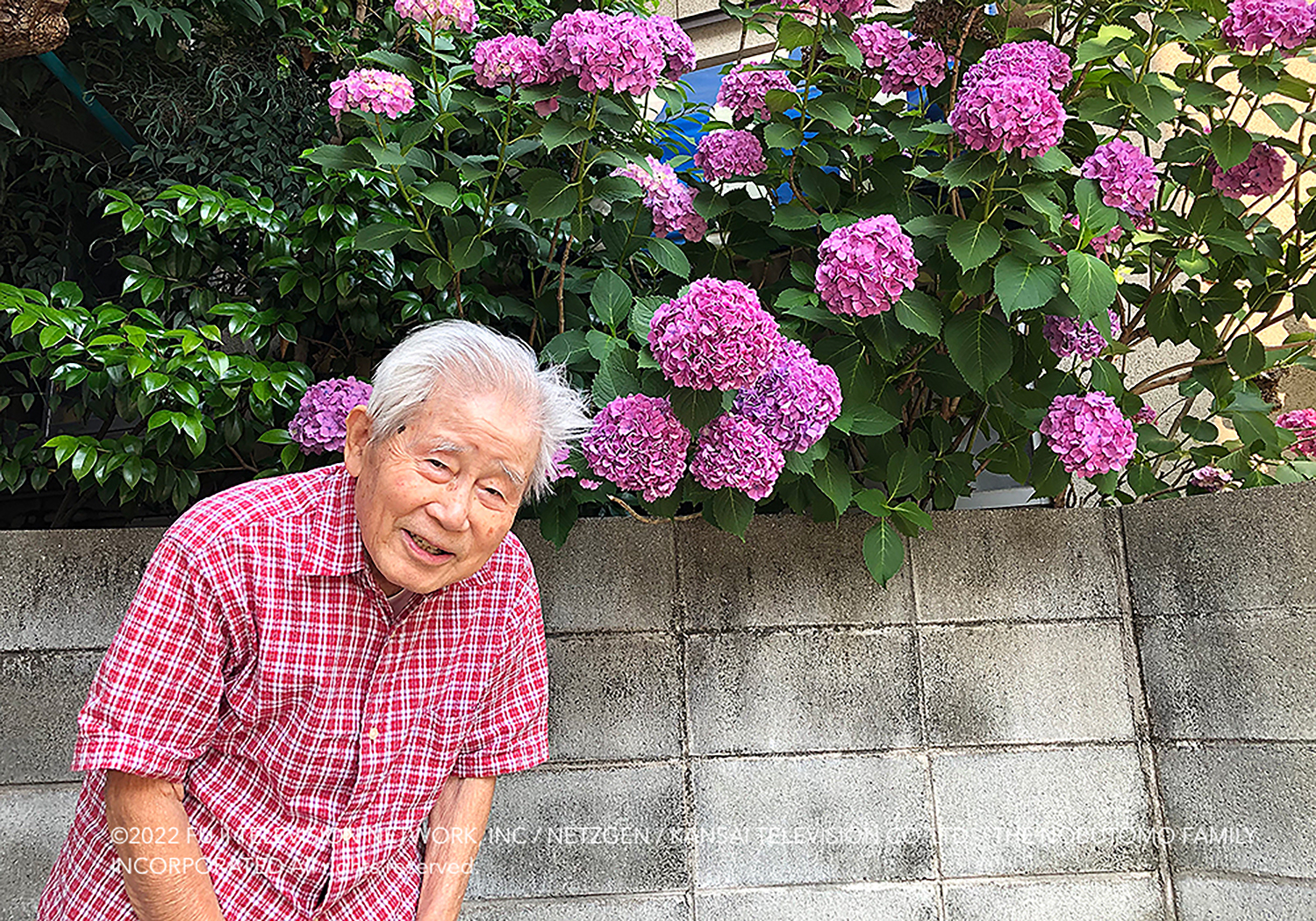
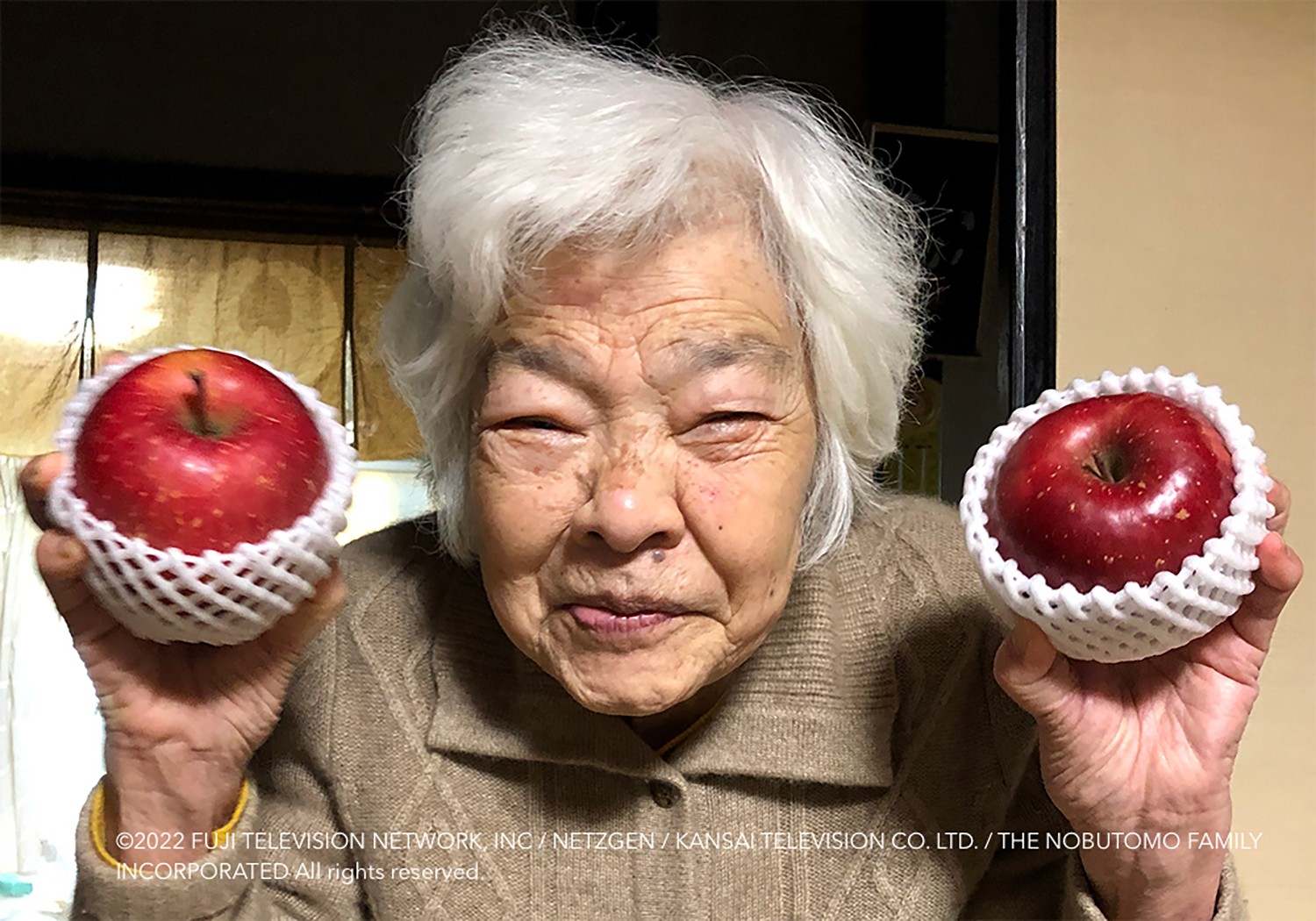
My parents, in their 90’s, live in Kure City, Hiroshima while I, their only child, live and work in Tokyo. I have continued to chronicle their lives, even after my first documentary was completed.
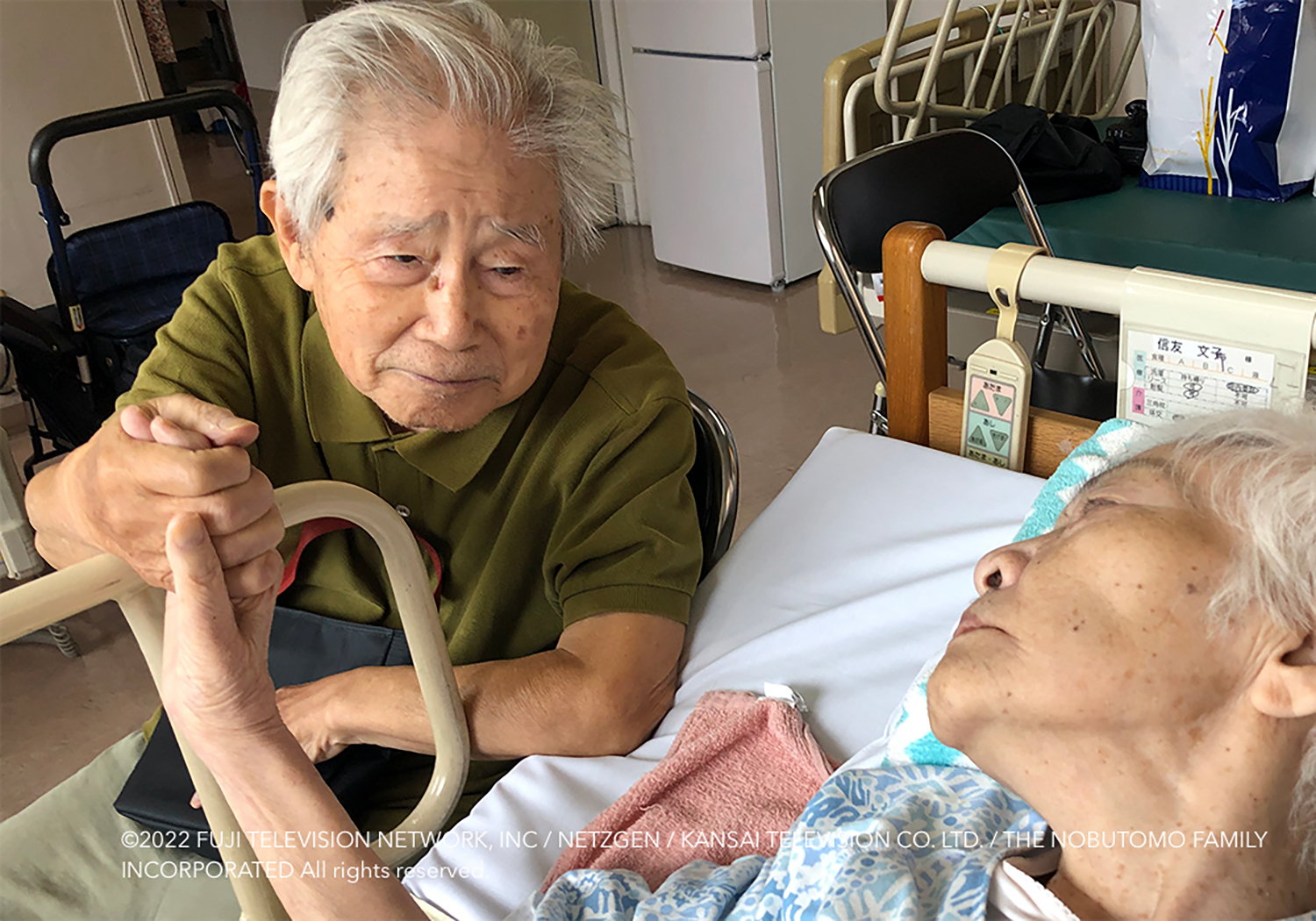
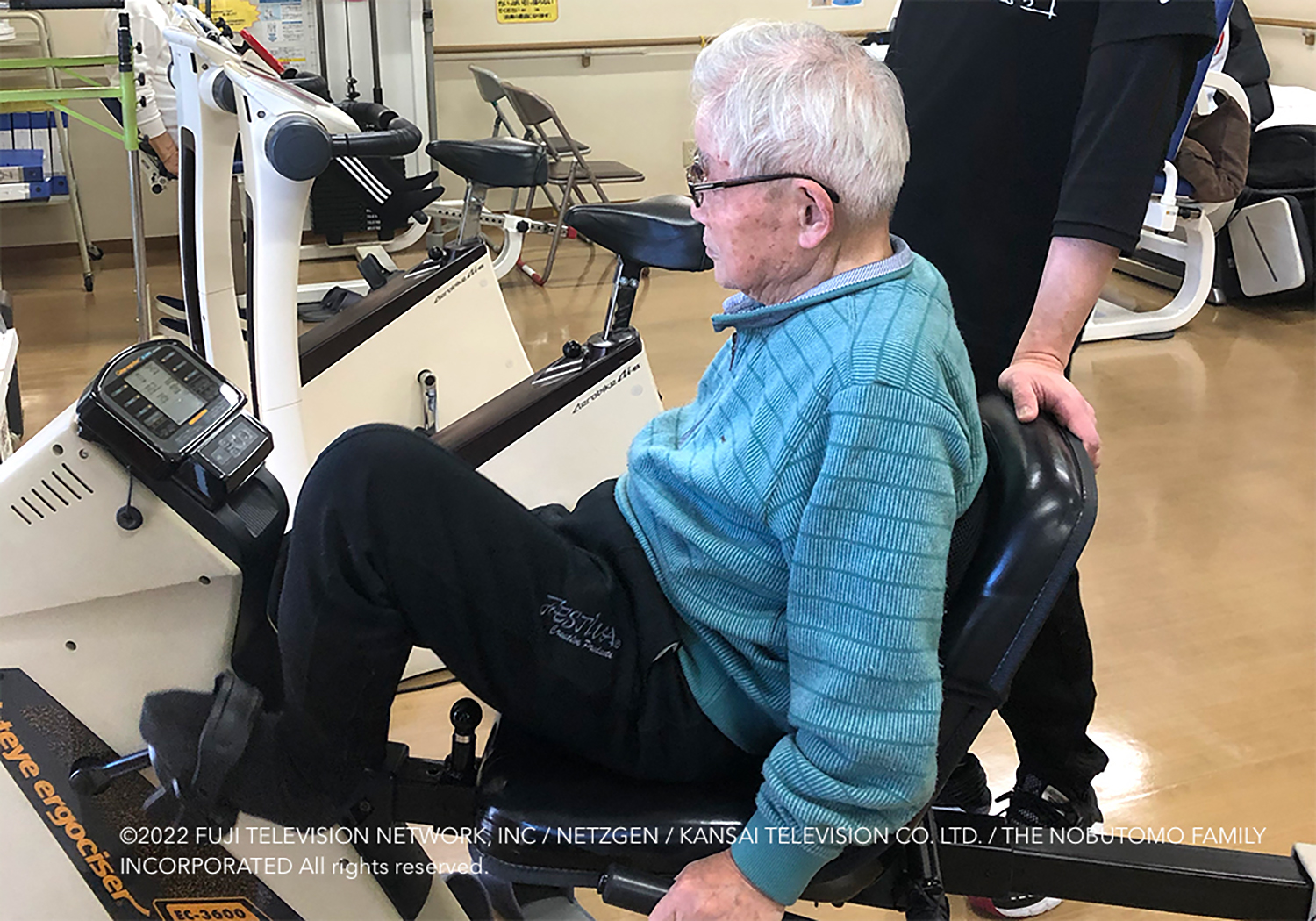
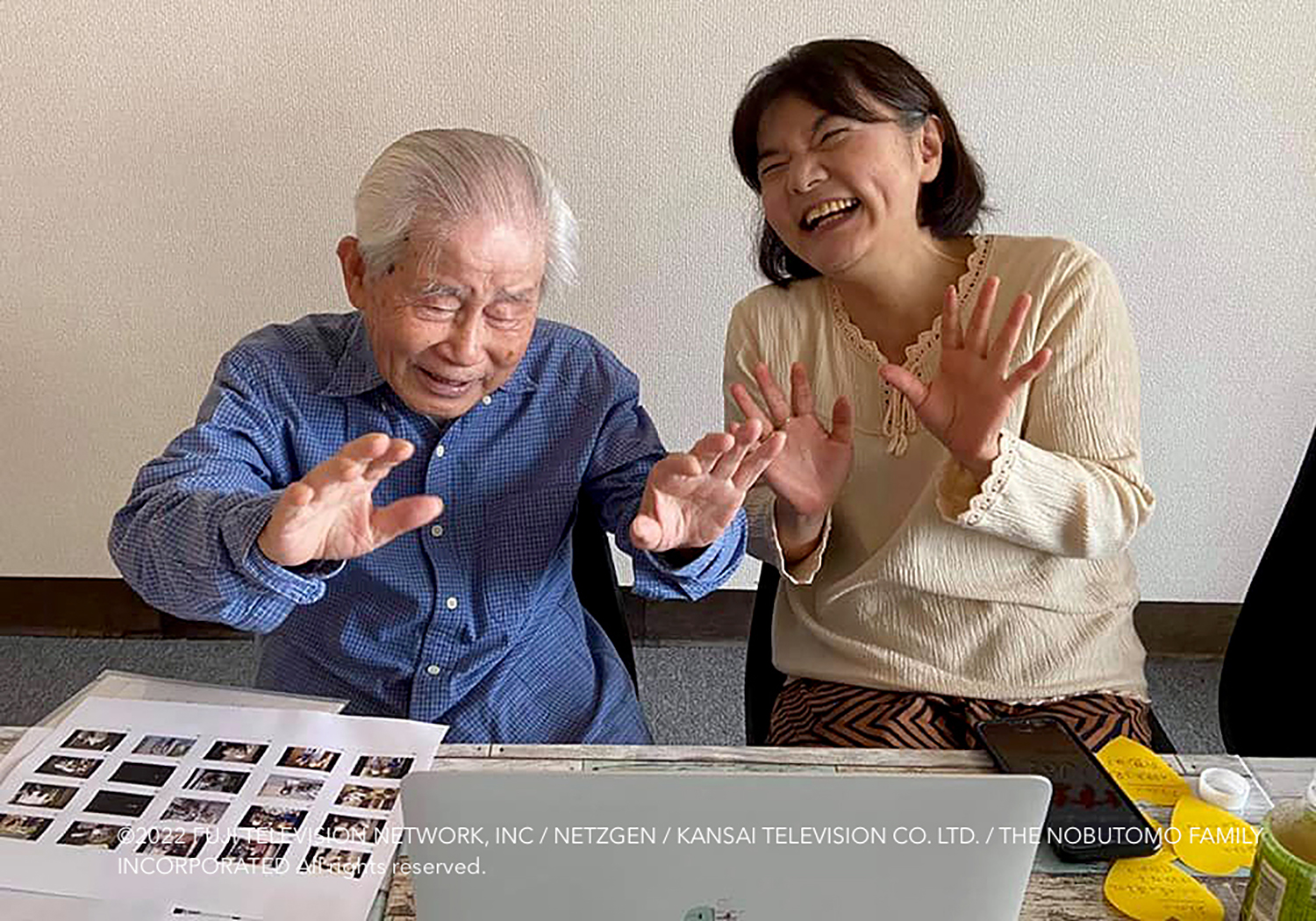
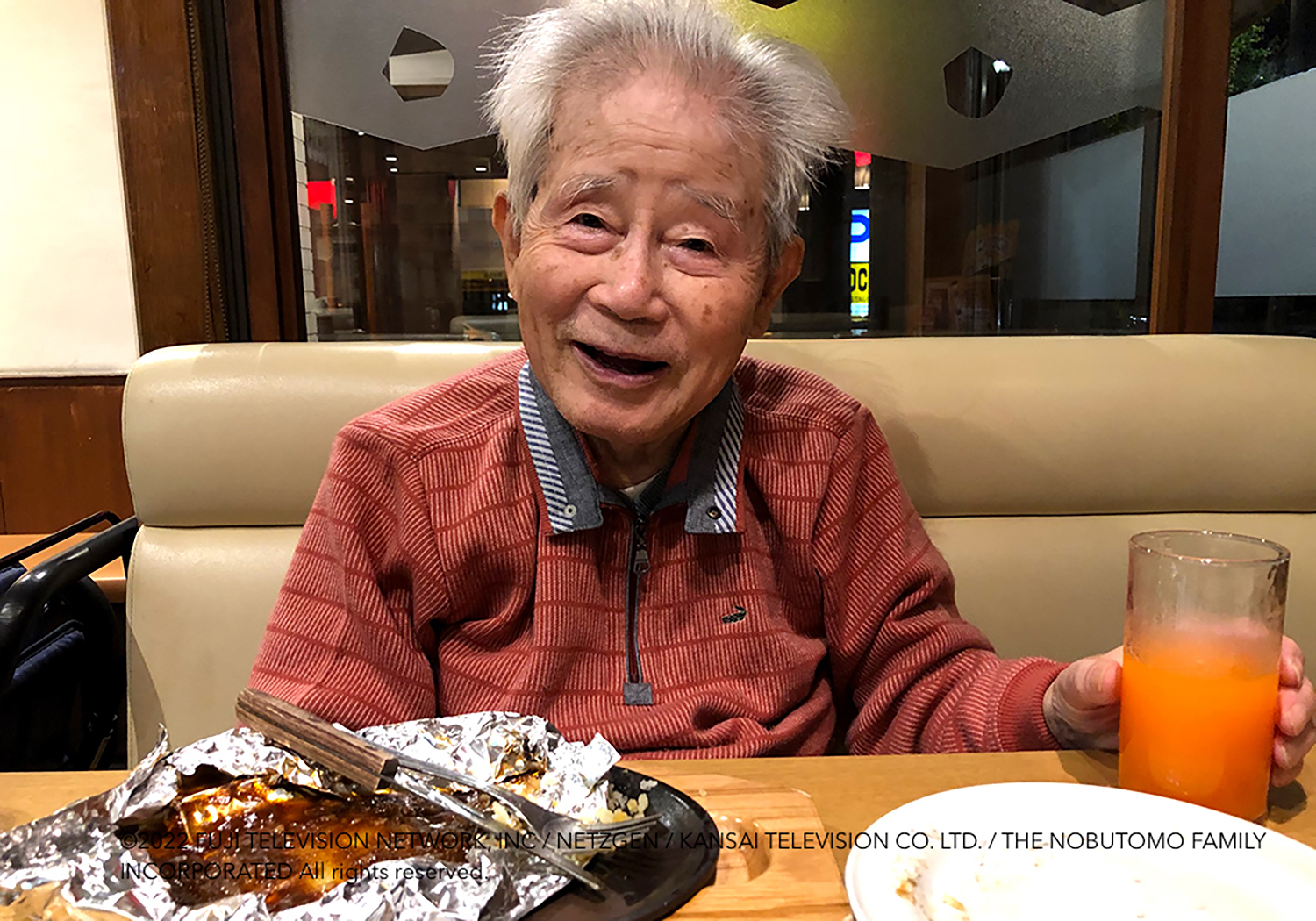
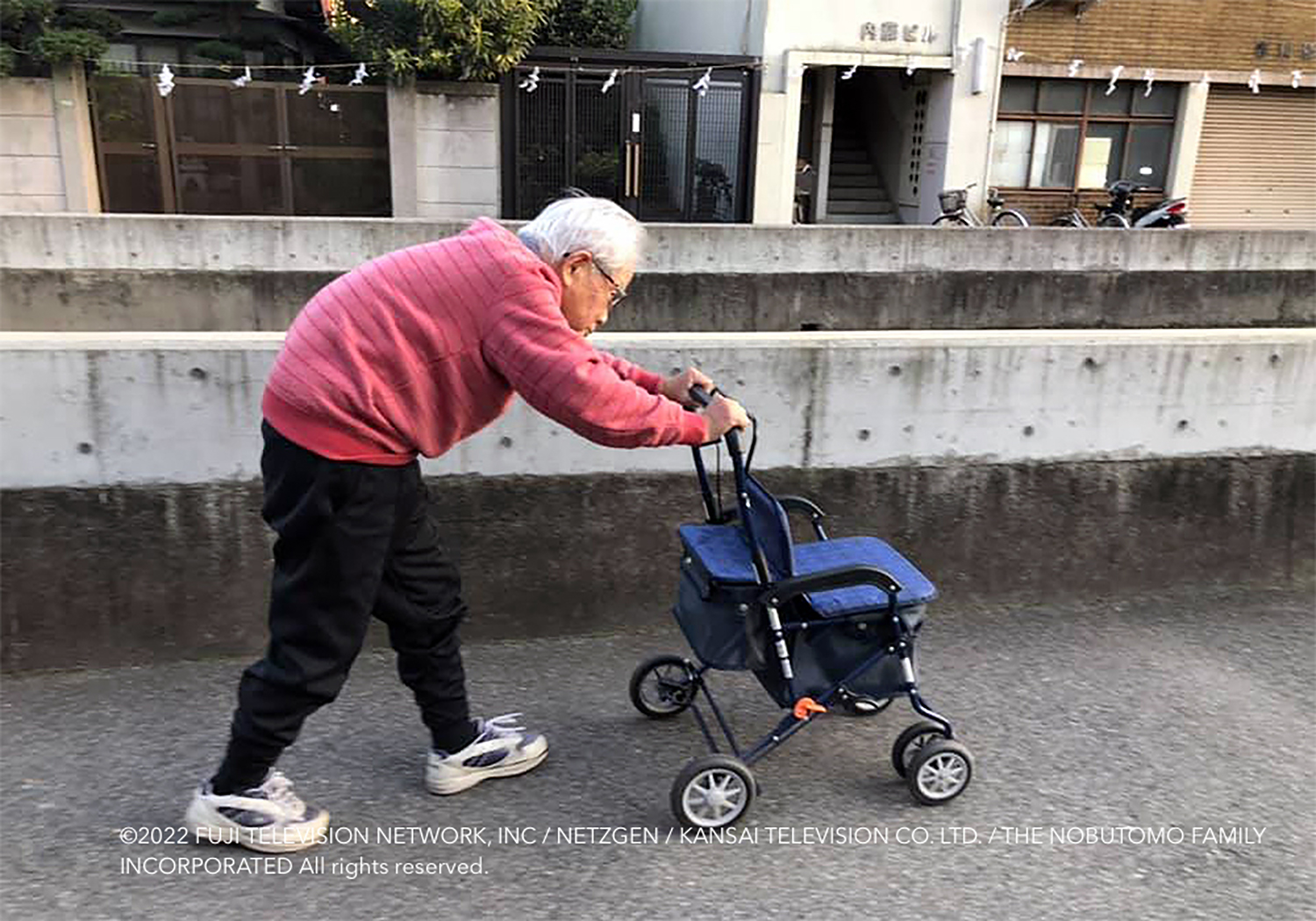
In 2018, my father takes over all the housework as my mother’s dementia advances. Things take a turn for the worse when she is hospitalized with a stroke. My father, who never leaves home without his walker, makes the hour-long journey to the hospital every day to visit her and give her support. To prepare for her homecoming, my 98-year-old father begins going to the gym to build strength and stamina. My mother’s condition improves to the point where she can walk again, but shortly thereafter, she suffers a second stroke, and her health deteriorates.
Meanwhile, in March 2020, the global spread of COVID-19 and the ensuing preventative measures prohibit family members from visiting patients in the hospital. The daughter is moved by the beauty in her father who never gives up the fight.
This email interview was conducted by Subhadra Devan from New Straits Times.
Q1: Some people say that this movie feels like its a love story. I also find it sad. What does this documentary mean to you, as the director and the daughter?
A1: This film, which is a record of everything that happened until I bid my mother goodbye has become my irreplaceable, one and only treasure.
It was my first time losing an immediate family member but I feel my outlook on death has changed a little having witnessed the parting of my parents, who had been together for so long. Until then I had only thought of “death = sadness” but hearing him tell her, as if forcing out the words, “Thank you. Because of you I had a great life,” made me solemn, as if taller. In addition, I was filled with gratitude and pride that I had been born because they had found each other, and, odd to say, blessed.
There’s a scene in Akira Kurosawa’s film, Red Beard, in which the protagonist, a doctor, says “Watch carefully. There’s nothing as sublime in life as the moment of death,“ but that’s exactly what I felt.
My mother truly showed me what it meant to live, grow old, become weak and die. I have nothing but gratitude to my father and mother who allowed me to capture it on film.
Q2: The hardest part of doing this film?
A2: As a daughter, the hardest thing was how my parents both kept longing to “ live together again at home,” even after my mother’s stroke had worsened and she was clearly in no condition to do so.
My father never missed a day of weight training, saying that he had to build up his strength so as to be able to take care of her when she came home. He’d make the one hour journey to the hospital to see her and kept telling her, “Come home soon and we’ll have coffee together again.” Knowing how much they loved each other, it was especially tough to see my father like that.
And the one time I took her home, wanting to grant her wish if only for a short while, and having to put her in the car to return to the hospital after she had broken down in tears was also difficult.
Q3: At the end of finishing the documentary, what do you now remember of your entire experience?
A3: Realizing the depth of our family bond which I hadn’t been conscious of back when everyone was well. I felt incredibly fortunate and fulfilled once I realized how much my parents cared for each other, how much they trusted me without any reservations.
The trove of footage that remains of my now deceased mother is another thing I’m glad about. When I miss her presence, all I need to do is to play the hours of film to be able to see my fun mother back when she was well. I’m truly grateful that I had recorded her on film, and that it will give me comfort in the future. And that’s why I recommend everyone to record footage of your loved ones. It’s especially so easy nowadays with smartphones.
In addition, speaking personally, I’m single and have to earn my keep. But in Japan, being a freelancer not employed by a company puts me in an insecure footing economically. My parents never said so directly but I believe they must have worried how I would fend for myself once they were no longer around. And I suspect they agreed to be filmed thinking it might help provide security to their daughter’s life. I have nothing but gratitude for my parents.
Q4: Was there a message that you wanted the audience to take home?
A4: These documentaries were created on the themes of “dementia” and “elderly care” for the earlier Part 1, and “end-of-life care”, “life-support treatment” for this Part 2.
It would please me if the audience could watch this film with their loved one in mind. And for those who haven’t been in touch with their family for a while, do give them a phone call and extend words of kindness like, “How are you? Wish I could see you.”
Q5: What is next for you?
A5: Right now I’m touring Japan with these 2 documentaries.
Visiting places it’s become sharply apparent that many people are struggling to care for their parents. My hope is that by seeing my films and listening to me talk they’ll realize that “I’m not the only one struggling with this,” and feel a little less alone. For this reason I’d like to make it my lifelong mission to continue touring the country.
And once the pandemic is over, I’d love to take my film to not just Japan but the world. After all, family bond, dementia, and caring for the elderly are global issues
My mother has passed away but my father is still extremely energetic and will soon celebrate his 102nd birthday. I want to treasure what limited time I have left with him so as to have no regrets.
I’m still filming my father, and so there’s a possibility of a sequel.
I hope you’ll look forward to seeing it.
Info
| Year | 2022 |
|---|---|
| Runtime | 101 mins |
| Language | Japanese |
| Subtitle | English |
| Genre | Documentary, Family |
| Rating | P13 |
Cast
- NOBUTOMO Yoshinori
- NOBUTOMO Fumiko
- NOBUTOMO Naoko
Staff
- Director:
NOBUTOMO Naoko

©2022 FUJI TELEVISION NETWORK, INC / NETZGEN / KANSAI TELEVISION CO. LTD. / THE NOBUTOMO FAMILY INCORPORATED All rights reserved.
Buy TicketsImage Gallery
Schedule
Cinema
Date
Time
GSC Mid Valley, Klang Valley
12 Sep (Mon)
6.30pm
GSC Mid Valley, Klang Valley
14 Sep (Wed)
9.00pm
GSC 1 Utama, Klang Valley
9 Sep (Fri)
9.10pm
GSC 1 Utama, Klang Valley
10 Sep (Sat)
2.10pm
GSC 1 Utama, Klang Valley
13 Sep (Tue)
9.15pm
GSC NU Sentral, Klang Valley
11 Sep (Sun)
7.30pm
GSC Gurney Plaza, Penang
17 Sep (Sat)
7.20pm
GSC Paradigm JB Mall, Johor Bahru
25 Sep (Sun)
7.05pm
GSC CityONE Megamall, Kuching
9 Oct (Sun)
7.45pm
GSC Suria Sabah, Kota Kinabalu
9 Oct (Sun)
7.45pm
Organised by:

Venue Provider:


In cooperation with:

Official Online Partner:

Sponsored by: